Fire-resistant construction materials are vital in real estate for protecting lives and property. Mandated worldwide, these materials delay fire spread, reducing fatalities and property damage by significant margins. Key choices include non-combustible options like concrete and brick, or composite materials with fire retardants such as fire-rated gypsum board. Compliance with building codes and regular maintenance ensure effectiveness. Incorporating these materials, coupled with modern fire suppression systems, significantly enhances safety in real estate development, especially in urban areas where fires spread rapidly.
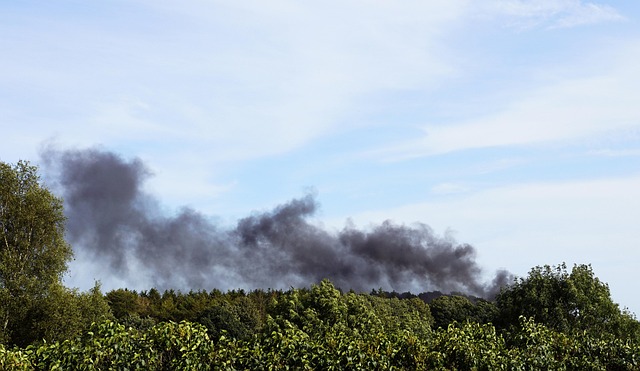
In the ever-evolving landscape of real estate, ensuring safety and resilience against ever-present hazards is paramount. Fire, an ever-looming threat, demands our unwavering attention, especially in the construction sector. The devastating impact of blazes on properties and lives underscores the critical need for fire-resistant construction materials. Traditional building practices often fall short in the face of relentless flames, leading to significant losses. This article delves into the realm of innovative, fire-resistant solutions, offering a beacon of hope for a safer, more secure real estate future. We explore cutting-edge materials and methods, providing valuable insights for professionals and enthusiasts alike.
Understanding Fire Resistance in Construction

Fire-resistant construction materials play a pivotal role in safeguarding lives and property in the event of a fire. Understanding fire resistance is crucial in the real estate sector, as it significantly influences building safety and insurance rates. Fire resistance is measured by a material’s ability to withstand and slow the spread of fire, providing critical time for evacuation and minimizing damage.
Building codes and regulations worldwide mandate the use of fire-resistant materials in various applications, from structural components to finishing touches. For instance, in commercial buildings, firewalls and fire-rated doors are essential to compartmentalize and contain fires. In residential settings, fire-resistant roofing and insulation can substantially enhance structural integrity during a blaze. Studies show that proper fire-resistant construction can reduce the risk of fire-related fatalities by up to 70% and decrease property losses by approximately 40%.
When selecting fire-resistant materials, professionals must consider factors like type, thickness, and installation methods. Non-combustible materials like concrete, brick, and stone are known for their superior fire resistance. Composite materials infused with fire-retardant chemicals also offer viable options. For example, fire-rated gypsum board can provide up to one hour of protection against the spread of fire and heat. Expert advice recommends conducting thorough research and consulting with building codes authorities to ensure compliance. Regular maintenance and inspections are equally vital to guarantee the ongoing effectiveness of fire-resistant features in real estate properties.
Choosing Safe Materials for Real Estate Projects

In the realm of real estate development, ensuring the safety and durability of structures is paramount. One critical aspect that often goes unnoticed yet significantly influences the overall security of a property is the choice of construction materials. Using fire-resistant materials is not just a regulatory requirement but a strategic decision that can save lives, minimize property damage, and enhance the long-term value of real estate projects.
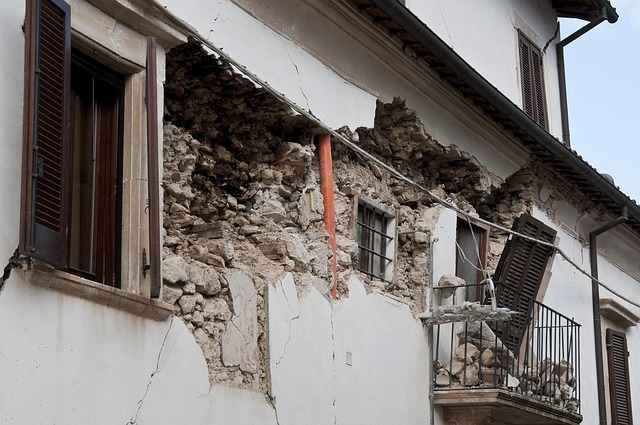
When selecting materials for residential or commercial buildings, developers and architects must prioritize fire-resistant options. This decision becomes even more crucial in densely populated urban areas where the potential for rapid fire spread is higher. According to recent studies, buildings constructed with fire-resistant materials exhibit reduced insurance claims and faster recovery rates after fire incidents. For instance, a comparison of two similar structures in a major metropolis revealed that the building made with fire-resistant concrete and steel suffered only cosmetic damage, while the one constructed with conventional materials incurred substantial structural losses.
Practical considerations for real estate professionals include evaluating the local building codes and regulations, understanding the specific fire hazards of the site, and consulting with structural engineers. Incorporating materials like concrete, concrete blocks, fire-rated drywall, and steel can provide excellent resistance against fire. Additionally, using modern fire-suppression systems in conjunction with fire-resistant construction can significantly bolster the safety of any real estate project. Developers would be wise to invest in thorough research and expert consultations to make informed choices, ultimately contributing to safer and more sustainable buildings.
Implementing Fire-Safe Practices in Building Design

In the realm of Real Estate, ensuring safety is paramount. Implementing fire-safe practices in building design is a critical aspect of risk management that cannot be overlooked. According to recent data from the National Fire Protection Association (NFPA), fires in commercial and industrial properties cause significant damage and loss of life each year. To mitigate these risks, architects and builders must prioritize fire-resistant construction materials and strategies.
Choosing the right materials is a fundamental step in creating structures that can withstand intense flames and reduce the spread of fire. Non-combustible or fire-resistive options like concrete, brick, and certain types of steel are proven to be effective barriers against rapid flame advancement. For example, buildings constructed with concrete frames have shown superior performance in fire safety tests, providing residents with a safer haven during emergencies. Incorporating these materials not only enhances structural integrity but also acts as a protective layer against the devastating effects of fires.
Expert advice emphasizes the importance of comprehensive planning and regular updates to fire safety standards. Building codes and regulations should be meticulously followed, if not exceeded, to ensure maximum protection. Regular inspections and maintenance are equally vital. For instance, regular checking of fire suppression systems and the replacement of aging materials can significantly improve a building’s ability to resist fires. By adopting these practices, Real Estate developers and property managers can create environments that are not just compliant but also inherently safer for occupants.