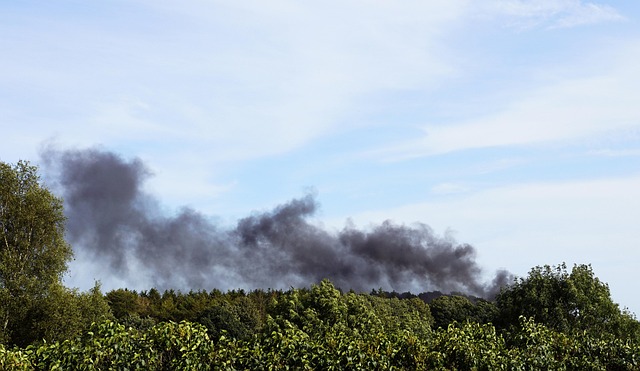
Real estate investors and developers prioritize fire safety through the use of fire-resistant construction materials like concrete, brick, and fire-rated drywall. These materials strengthen structural integrity, delay fire spread, enhance evacuation times, and aid first responders. Incorporating these features during construction complies with building codes, reduces insurance premiums, increases property value, and appeals to safety-conscious tenants and buyers in a competitive market.
In today’s digital era, understanding fire safety in real estate is paramount. This comprehensive guide delves into the significance of using fire-resistant construction materials, offering insights tailored for property developers. We explore the critical components of fire safety and how specific building materials can enhance structural integrity during emergencies. By the end, you’ll be equipped to make informed decisions that prioritize safety and compliance in the real estate sector.
Understanding Fire Safety in Real Estate

Fire safety is a critical aspect of real estate that cannot be overlooked. In the event of a fire, quick response times and well-designed structures can significantly mitigate damage and save lives. Real estate investors and developers must understand the importance of using fire-resistant construction materials to enhance building safety. These materials play a pivotal role in slowing the spread of fire, providing more time for occupants to evacuate and first responders to arrive.
By integrating fire-resistant features during the construction phase, real estate professionals can ensure compliance with local building codes and standards. This proactive approach not only reduces insurance premiums but also boosts the property’s overall value. Fire safety in real estate is about creating structures that are not just compliant but also designed to protect residents, visitors, and surrounding properties, ultimately contributing to a safer community.
Choosing Fire-Resistant Building Materials

When it comes to fire safety in construction, selecting the right materials is paramount. In the real estate sector, awareness of flammable components and their potential hazards is growing. Builders and investors alike are increasingly turning towards fire-resistant building materials as a proactive measure against structural damage and ensuring tenant safety.
These materials offer enhanced protection by withstanding or delaying the spread of flame, heat, and smoke. Common examples include concrete, brick, and certain types of steel, which have innate fire resistance. In addition, modern innovations provide specialized options like fire-rated drywall and insulation, further bolstering a structure’s ability to resist and contain fires. This focus on fire-resistant construction is not only a smart investment but also contributes to creating safer living and working environments.
Benefits and Considerations for Property Developers

Fire-resistant construction materials offer significant advantages for property developers in the real estate sector. By incorporating these materials into their projects, developers can enhance safety standards and mitigate potential risks associated with fires. This is particularly crucial in high-rise buildings, where a fire can quickly escalate and pose severe threats to residents and emergency responders. Fire-resistant options such as concrete, steel, and special fire-rated insulation can provide structural integrity during a blaze, allowing for better evacuation and response times.
When considering these materials, developers should weigh the initial costs against long-term benefits. While some fire-resistant alternatives may be pricier upfront, they can lead to reduced insurance premiums and potential savings on future renovation expenses related to fire damage repairs. Moreover, embracing these innovations can enhance a property’s appeal to tenants or buyers who prioritize safety and modern design, thereby increasing its market value in the competitive real estate landscape.