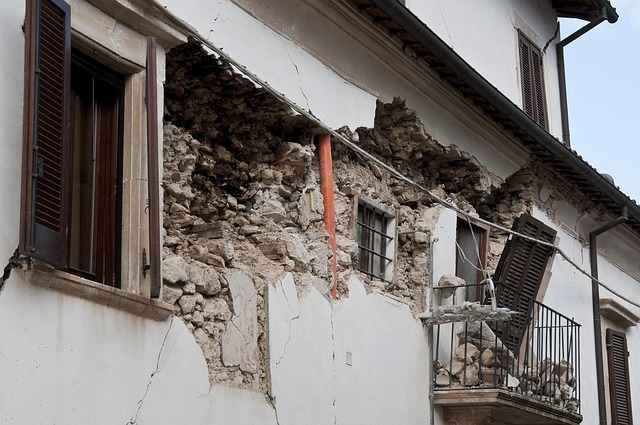
Real estate naturally plays a pivotal role in balancing economic development with environmental stewardship. Key strategies include thorough site evaluations, integrating green building standards, implementing sustainable practices, staying informed about policy changes, and leveraging natural solutions. Coastal communities can use mangrove forests and coral reefs for storm protection, while urban areas benefit from green infrastructure like permeable surfaces and green roofs to reduce flooding. Strategic vegetation placement acts as a windbreak and fire buffer, and native vegetation supports local ecosystems. Community-wide initiatives, such as green spaces and gardens, further enhance natural defenses. Sustainable development strategies are crucial to ensure built environments' resilience and longevity, reducing the sector's carbon footprint and contributing to a harmonious future.
Environmental threats pose significant challenges to our planet and communities, demanding innovative solutions. Real estate, with its vast influence on our landscapes, offers a crucial frontline in this battle. This article delves into the importance of reinforcing structures to mitigate these threats, focusing on the intersection of environmental stewardship and real estate development. We explore practical strategies and best practices that can transform the way we build and manage our urban and rural spaces, ensuring a sustainable future. By adopting these measures, we can create resilient environments that protect both nature and human settlements.
Assessing Environmental Risks in Real Estate

Assessing environmental risks is a critical component of responsible real estate practices, especially with growing global concerns about climate change and sustainability. Real estate naturally finds itself at the intersection of economic development and environmental stewardship, making it vital to integrate robust risk assessment methodologies into every stage of the property lifecycle. Developers, investors, and stakeholders must be equipped to navigate an evolving landscape of regulatory requirements and shifting public perceptions.
A comprehensive approach begins with thorough site evaluations that consider historical and current environmental data. This includes examining local pollution levels, climate patterns, and vulnerability to natural disasters such as floods or wildfires. For instance, the U.S. Environmental Protection Agency (EPA) provides detailed resources on conducting site assessments, emphasizing the importance of understanding past industrial uses and potential contaminants. By leveraging these insights, real estate professionals can make informed decisions about land suitability, which is crucial for mitigating future environmental liabilities.
Moreover, integrating green building standards and sustainable design principles during construction offers a proactive strategy. Many countries have adopted stringent building codes that incentivize energy-efficient practices, water conservation, and the use of eco-friendly materials. These measures not only reduce a property’s carbon footprint but also enhance its long-term value. According to a 2021 study by the Global Wellness Institute, buildings certified under LEED (Leadership in Energy and Environmental Design) standards consistently achieve higher rental rates and occupancy levels than their conventional counterparts. Implementable actions include proper waste management systems, efficient lighting solutions, and strategic landscaping that supports biodiversity while minimizing water usage.
Regular monitoring and adaptive management are essential to stay ahead of evolving environmental challenges. Real estate stakeholders should remain abreast of regional and global policy changes related to sustainability. For instance, the European Union’s Green Deal aims to transform the continent into a climate-neutral bloc by 2050, presenting both opportunities and challenges for cross-border real estate investments. By embracing proactive risk assessment and sustainable practices, the real estate sector can play a pivotal role in building resilient communities while ensuring long-term financial viability.
Implementing Natural Solutions for Protection
The implementation of natural solutions in real estate development offers a promising strategy to reinforce structures against environmental threats. By harnessing the power of nature, architects and urban planners can create more resilient and sustainable environments. For instance, coastal communities can employ natural barriers such as mangrove forests or coral reefs to mitigate the impact of storms and sea-level rise, providing a cost-effective and ecologically sound alternative to man-made defenses. In urban settings, green infrastructure like permeable surfaces, bioswales, and green roofs can significantly reduce the risk of flooding by absorbing and slowing down excess stormwater runoff. A study by the Environmental Protection Agency (EPA) found that green roofs can reduce the risk of flooding by up to 30%, providing substantial economic and environmental benefits.
One of the most effective natural solutions is the strategic placement of vegetation to shield buildings from extreme weather events. Trees and shrubs not only provide aesthetic value but also act as natural windbreaks, reducing the impact of strong winds and flying debris. In areas prone to wildfires, the use of fire-resistant plants and proper land management practices can create a buffer zone, slowing the spread of flames and protecting nearby structures. Additionally, native vegetation supports local ecosystems, enhances biodiversity, and contributes to overall ecosystem resilience. Real estate developers can collaborate with environmental experts to incorporate these natural solutions into their projects, ensuring both environmental protection and long-term structural integrity.
Beyond individual properties, community-wide initiatives can further reinforce these natural defenses. Green spaces and open areas not only provide recreational opportunities but also act as natural reservoirs, absorbing excess water during heavy rainfall. Collaborative efforts between neighbors and local authorities can lead to the creation of community gardens and urban forests, enhancing the overall resilience of the area. By integrating natural solutions into real estate development and fostering a sense of community stewardship, we can build more sustainable and resilient environments capable of withstanding the challenges posed by climate change and environmental degradation.
Long-Term Strategies: Sustainable Development in Real Estate

In the face of escalating environmental challenges, real estate naturally stands at a pivotal crossroads, offering both significant risks and unprecedented opportunities for mitigating and adapting to climate change. Long-term strategies focused on sustainable development are not merely desirable but essential for ensuring the resilience and longevity of built environments. By integrating green practices and technologies, real estate developers and investors can play a pivotal role in reducing the sector’s carbon footprint and fostering more sustainable communities. One of the key drivers of this transformation is the growing awareness that climate change is not a distant threat but an imminent reality, demanding immediate and sustained action.
A comprehensive approach to sustainable development in real estate involves a multi-faceted strategy. This includes adopting energy-efficient designs, utilizing renewable energy sources, and incorporating nature-based solutions. For instance, buildings designed with passive cooling techniques, such as strategic orientation, natural ventilation, and green roofs, can significantly reduce energy consumption for heating and cooling. Additionally, the integration of solar panels, wind turbines, or other renewable energy systems on-site can lower the carbon intensity of the built environment. As data from the Global Real Estate Sustainability Benchmark (GRESB) indicates, properties with higher sustainability ratings often experience lower operational costs and higher occupancy rates, demonstrating the financial viability of green building practices.
Moreover, real estate developers can embrace nature-based solutions to enhance resilience and mitigate environmental risks. Strategies such as green infrastructure (e.g., rain gardens, urban forests), permeable surfaces, and water-efficient landscaping not only reduce the strain on urban drainage systems but also help to mitigate the urban heat island effect. These approaches are particularly relevant in densely populated areas where land is scarce and the potential impacts of climate change, such as increased flooding or extreme heat events, are more severe. By prioritizing sustainable development, real estate professionals can contribute to building a more resilient and environmentally conscious future, ensuring that our urban spaces thrive in harmony with the natural world.