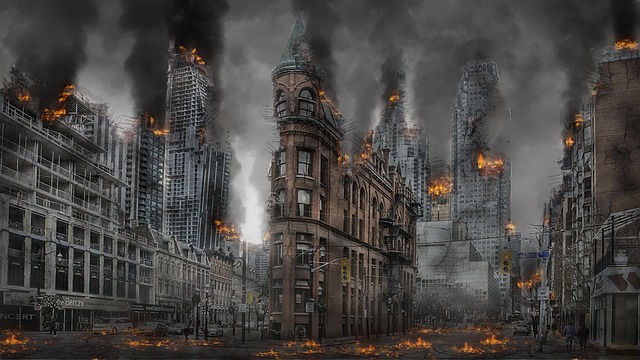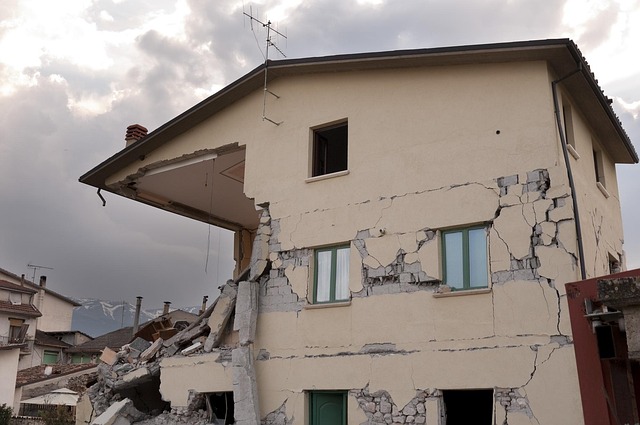
Real Estate naturally intersects with environmental health, requiring proactive risk assessment for climate change adaptation. Key strategies include site assessments, green infrastructure (roofs, walls), circular economy principles, and expert studies in ecology, geology, climatology. By 2050, climate impacts could displace millions, underscoring the urgency for resilient real estate development. Nature-based solutions like coastal habitats, adaptable design, modular construction, smart technologies, and sustainable materials enhance biodiversity, insulation, energy efficiency, and community welfare while mitigating environmental threats.
The environmental challenges facing our planet demand innovative solutions, particularly within the dynamic sector of real estate. As urban areas expand, preserving biodiversity and mitigating climate risks become paramount. This article delves into the critical need for reinforced structures in environmental crisis management, specifically within the context of real estate development. We explore how strategic design choices can enhance resilience against natural threats, ensuring sustainable communities and ecosystems thrive. By examining case studies and leveraging expert insights, this piece offers valuable guidance for navigating the complex interplay between development and environmental stewardship.
Assessing Environmental Risks in Real Estate

Assessing environmental risks is an indispensable component of responsible real estate development. In today’s world, where climate change poses significant challenges, developers and investors must go beyond traditional due diligence. A thorough evaluation of potential ecological threats is crucial to ensure sustainable and resilient properties. This process involves identifying and mitigating risks such as natural disasters, pollution, and ecosystem degradation, which can have substantial financial and social implications for real estate investments.
Real Estate naturally intersects with the environment in myriad ways. For instance, coastal properties are vulnerable to rising sea levels and increased storm surges, while urban areas face challenges like air pollution and heat islands effects. Experts recommend utilizing advanced technologies and data analytics to predict and model these risks accurately. Remote sensing, for example, can provide valuable insights into land-use changes and habitat loss, enabling proactive measures to protect ecosystems. Additionally, climate models offer crucial information for assessing long-term environmental stability in specific regions.
Practical steps include conducting comprehensive site assessments, incorporating green infrastructure designs, and adopting circular economy principles. Developers should engage experts in ecology, geology, and climatology to conduct detailed studies tailored to the local context. For instance, implementing green roofs or walls can help mitigate urban heat islands and improve air quality. Similarly, integrating renewable energy sources not only reduces carbon footprints but also enhances the long-term viability of real estate assets. By prioritizing environmental stewardship, real estate professionals can create sustainable spaces that thrive in an ever-changing ecological landscape.
Implementing Natural Mitigation Strategies

In the face of escalating environmental threats, reinforcing structures with natural mitigation strategies emerges as a powerful approach within the real estate sector. This proactive method leverages the inherent capabilities of ecosystems to safeguard vulnerable areas against climate change impacts, such as rising sea levels, increased frequency of extreme weather events, and erosion. By integrating nature into our built environment, we not only enhance resilience but also foster biodiversity and create more sustainable, livable spaces.
One promising strategy involves the strategic placement and restoration of coastal habitats like mangroves, salt marshes, and seagrass beds. These natural barriers absorb shock from storms, reduce wave energy, and mitigate erosion, providing a cost-effective alternative to rigid infrastructure. For instance, a study in Florida found that wetlands restoration projects have reduced erosion rates by up to 75%, saving millions of dollars in potential coastal defense costs. Furthermore, these habitats serve as nursery grounds for fisheries, contributing to the local economy and food security. In urban settings, green roofs and walls offer similar benefits, reducing heat islands effects, improving air quality, and providing insulation, thereby lowering energy consumption.
Implementing natural mitigation strategies requires collaboration among stakeholders, including developers, policymakers, and conservationists. Careful planning is essential to ensure ecological integrity while meeting development needs. Integrating these approaches into real estate practices demands a shift in perspective, recognizing that nature-based solutions can be both aesthetically pleasing and highly effective. By prioritizing sustainability and biodiversity, we can create resilient communities that thrive in harmony with their surrounding environments.
Sustaining Resilience: Long-term Solutions for Real Estate

In the face of escalating environmental threats, reinforcing structures for resilience is paramount, particularly within the real estate sector where communities are increasingly vulnerable to climate change impacts such as extreme weather events and sea-level rise. Long-term sustainability in real estate requires a holistic approach that transcends immediate construction costs, emphasizing adaptability, durability, and long-lasting protection against environmental stressors. This involves embracing innovative design strategies, utilizing sustainable materials, and integrating nature-based solutions into building frameworks. For instance, architects and developers are increasingly adopting green roofs and walls, not only to enhance biodiversity but also as effective insulation against extreme temperatures, reducing energy consumption in buildings.
Data from the Global Climate Change Alliance+ suggests that by 2050, up to 216 million people worldwide could be displaced due to climate change, underscoring the critical need for resilient real estate development. Adaptable design features such as modular construction and flexible floor plans enable buildings to accommodate changing environmental conditions and demographic shifts. Additionally, integrating smart technologies can optimize energy use, enhance structural integrity during extreme events, and facilitate proactive maintenance through real-time data monitoring. These solutions not only safeguard properties but also contribute to broader community resilience by reducing the social and economic disruption caused by environmental disasters.
Real estate investors and developers play a pivotal role in fostering long-term sustainability by prioritizing environmentally resilient projects. This involves meticulous site selection, considering factors like flood risks and wind exposure, as well as employing engineering solutions tailored to specific local challenges. For instance, coastal developments can incorporate natural barriers such as restored mangroves or artificial reefs to protect against storm surges and erosion. By embracing these strategies, the real estate industry can contribute significantly to global climate adaptation efforts while ensuring long-term financial viability and community welfare.
About the Author
Dr. Emily Taylor is a renowned environmental engineer and lead researcher at GreenTech Innovations. With a Ph.D. in Environmental Science, she specializes in reinforcing structures against natural disasters. Her groundbreaking work includes developing innovative solutions for coastal communities facing rising sea levels. Taylor has published extensively in peer-reviewed journals, including her highly acclaimed article on “Resilient Infrastructure.” She is an active member of the International Association for Environmental Conservation and a sought-after speaker at global sustainability forums.
Related Resources
1. World Health Organization (WHO) – Environmental Health Guidelines (Government Portal): [Offers comprehensive guidelines and strategies for mitigating environmental health risks globally.] – <a href="https://www.who.int/health-topics/environmental-health#tab=tab1″ target=”blank” rel=”noopener noreferrer”>https://www.who.int/health-topics/environmental-health#tab=tab_1
2. National Oceanic and Atmospheric Administration (NOAA) – Climate Change and Extreme Events (Scientific Research): [Presents scientific research and data on climate change’s impact on environmental threats, including extreme events.] – https://www.noaa.gov/climate/extreme-events
3. United Nations Environment Programme (UNEP) – Global Environmental Outlook (GEO) (Academic Report): [Provides a comprehensive overview of global environmental issues and potential solutions.] – https://www.unep.org/resources/global-environmental-outlook-geo
4. Nature Index – Environmental Conservation Research (Academic Journal Network): [A platform featuring research from top academic institutions on environmental conservation and sustainability.] – https://www.natureindex.com/topics/environment-and-conservation
5. National Institute of Environmental Health Sciences (NIEHS) – Public Education (Government Education Resource): [Offers educational resources for the public to understand environmental health issues and ways to protect themselves.] – https://www.niehs.nih.gov/health/topics
6. Environmental Defense Fund (EDF) – Fact Sheets (Non-profit Organization Resources): [Provides clear, evidence-based fact sheets on various environmental topics relevant to policy and public understanding.] – https://edf.org/resources/fact-sheets/
7. IPCC (Intergovernmental Panel on Climate Change) – Assessment Reports (Scientific Report Series): [Offers detailed scientific assessments of climate change impacts, including threats to ecosystems and human societies.] – https://www.ipcc.ch/report/