Real estate professionals increasingly prioritize environmental risk assessment due to its impact on property value and sustainability. Utilizing advanced tools like remote sensing and data analytics, they make informed decisions based on historical incidents, current regulations, and future climate projections. This approach allows for robust mitigation strategies, ensuring long-term resilience and safeguarding investments. The industry embraces sustainable building practices that integrate green design principles throughout a structure's lifecycle, reducing carbon footprints and enhancing market value while addressing pressing environmental concerns.
In today’s world, real estate developers and investors must go beyond traditional considerations to ensure sustainable and resilient properties. This article explores critical strategies for reinforcing structures against environmental threats, focusing on key areas such as assessing environmental risks in real estate, implementing sustainable building practices, and fostering community engagement for effective threat mitigation. By adopting these approaches, the industry can create more durable and ecologically responsible spaces.
Assessing Environmental Risks in Real Estate

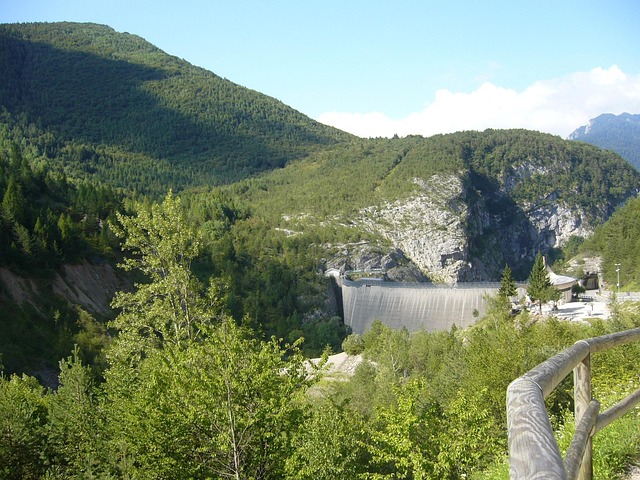
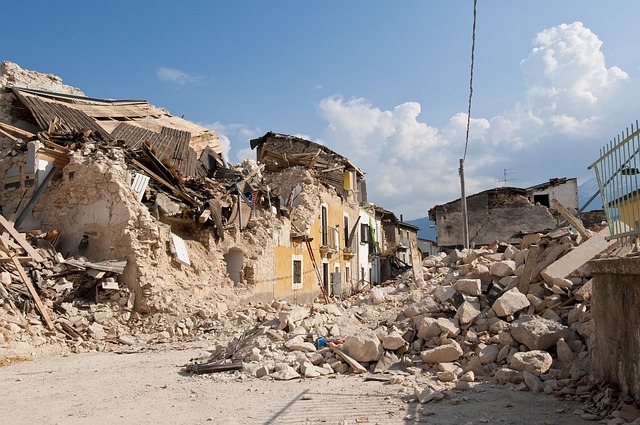
Assessing environmental risks is a critical aspect of real estate investment and development, as it can significantly impact property value and sustainability. In today’s digital era, advanced tools and technologies enable professionals to navigate complex environmental landscapes with precision. Remote sensing, satellite imagery, and data analytics play a pivotal role in identifying potential hazards such as pollution, natural disasters, and climate change vulnerabilities.
Real estate investors and developers must conduct thorough risk assessments to make informed decisions. This involves evaluating factors like historical environmental incidents, current regulatory frameworks, and future climate projections. By understanding these risks, stakeholders can implement effective mitigation strategies, reinforce structural integrity, and ensure the long-term resilience of properties, thereby safeguarding investments and fostering sustainable communities.
Implementing Sustainable Building Practices
In the face of growing environmental challenges, the real estate industry is undergoing a transformation with an increased focus on sustainable building practices. This shift isn’t just a response to public demand but also a strategic move to create resilient and eco-friendly spaces that offer long-term benefits for both occupants and the planet. By integrating green design principles, developers and architects are reinforcing structures to better withstand environmental threats like extreme weather events, energy scarcity, and rising temperatures.
Sustainable building practices extend beyond energy-efficient appliances and renewable energy sources; they encompass the entire lifecycle of a structure. This includes using locally sourced materials, prioritizing natural ventilation and lighting, implementing water conservation strategies, and adopting construction techniques that minimize waste. Embracing these methods not only reduces a building’s carbon footprint but also enhances its overall value in the real estate market, reflecting a growing trend where environmental responsibility aligns with financial viability.
Community Engagement for Threat Mitigation

In the face of environmental threats, community engagement plays a pivotal role in reinforcing structures for resilience. By fostering collaboration between residents, local governments, and real estate developers, communities can collectively identify vulnerabilities and implement effective mitigation strategies. This collective effort ensures that everyone’s concerns are addressed, from air quality improvements to sustainable water management practices.
Engaging the community from the outset allows for tailored solutions that consider unique geographical and socio-economic factors. Real estate professionals have a crucial part to play by incorporating green design principles into new developments, retrofitting older buildings, and promoting eco-friendly amenities. This not only mitigates environmental threats but also enhances property values and attracts environmentally conscious residents, creating a healthier, more sustainable living environment for all.