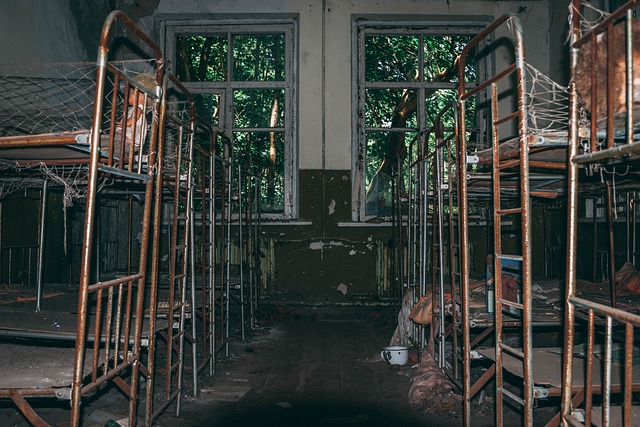
In a dynamic real estate market, comprehensive insurance is key for investors and owners. By assessing risks like natural disasters, vandalism, and accidents, tailored policies protect assets, covering property damage, liability, and rental income loss. Understanding potential issues from structural to subtle problems ensures suitable coverage, offering peace of mind in a diverse market.
In the dynamic realm of real estate, securing robust insurance coverage for damages is paramount. This comprehensive guide navigates the intricate landscape of property protection, equipping investors with essential knowledge about diverse insurance needs. From understanding specific risks to exploring tailored coverage options, we delve into strategies ensuring secure and comprehensive protection. By embracing proactive measures, real estate folks can safeguard their investments, fostering a robust and resilient market.
Understanding Insurance Needs in Real Estate

In the dynamic landscape of real estate, understanding insurance needs is paramount for investors and property owners alike. Insurance coverage for damages plays a crucial role in mitigating financial risks associated with properties. Whether it’s a residential rental or a commercial building, each asset has unique vulnerabilities that require tailored protection.
By assessing potential hazards such as natural disasters, vandalism, or accidental damage, real estate professionals can choose the right insurance policies. Comprehensive coverage options include property damage, liability protection, and even loss of rental income for investors. This proactive approach ensures peace of mind, allowing property owners to navigate unforeseen events with financial security and efficiency.
Types of Damages and Coverage Options

When considering secure insurance coverage for damages in Real Estate, understanding the types of potential damages is key. These can range from structural issues like foundation cracks or roof leaks, to more subtle problems such as mold growth or faulty plumbing. Comprehensive coverage options cater to these various scenarios, ensuring property owners are protected against unexpected repairs or renovations.
Different insurance policies offer distinct coverage levels and exclusions. Some basic plans may cover only the most critical structural damages, while others can extend protection to include personal belongings, land, and even loss of use if a property becomes uninhabitable. Tailoring your insurance coverage to match your specific needs, particularly in the Real Estate market where conditions can vary widely, is essential for minimizing financial stress and ensuring peace of mind.
Strategies for Secure and Comprehensive Protection
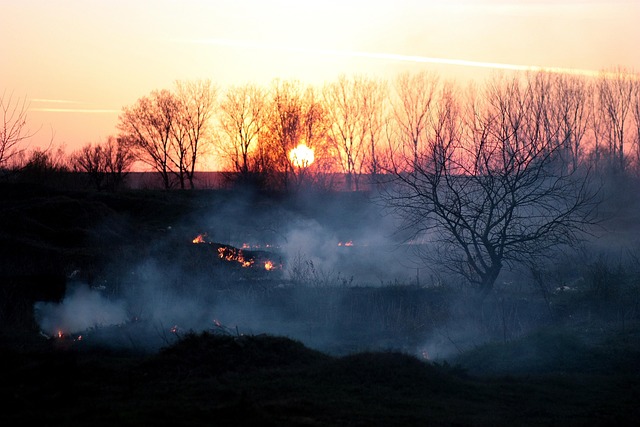
Secure and comprehensive insurance coverage is paramount for safeguarding your real estate investments. One effective strategy involves obtaining a comprehensive property policy that includes protection against various risks, such as fire, theft, vandalism, and natural disasters. Regularly review and update your policy to ensure it aligns with changing circumstances, like construction or renovation projects.
Additionally, consider additional coverage options tailored for specific concerns in real estate. For instance, rental property owners may benefit from landlord’s insurance, offering protection against liability claims and loss of income due to damaged properties. Similarly, those with valuable collections or assets within their properties can explore specialized coverage to safeguard these items.