Real Estate insurance is strategic mitigation for diverse risks, including natural disasters, vandalism, liability claims, and business interruptions. Property owners must conduct thorough risk assessments based on location-specific hazards. Comprehensive policies cover structural failures, income loss during repairs, and protect against evolving threats like ransomware attacks. Regular policy review ensures adequate coverage limits, deductibles, and understanding exclusions. Proactive management safeguards investments, financial security, and future prospects.
In the dynamic landscape of real estate, ensuring secure insurance coverage for damages is paramount. As properties navigate a labyrinthine array of risks—from natural disasters to legal liabilities—gentlemen of the trade must remain vigilant in safeguarding their investments. The problem lies in the complexity of policies and the potential for costly gaps in protection. This article delves into practical solutions, equipping real estate professionals with the knowledge to secure comprehensive coverage tailored to their assets. By the end, you’ll possess the expertise needed to navigate this intricate field effectively, ensuring peace of mind and financial security for your portfolio.
Understanding Insurance Needs for Real Estate

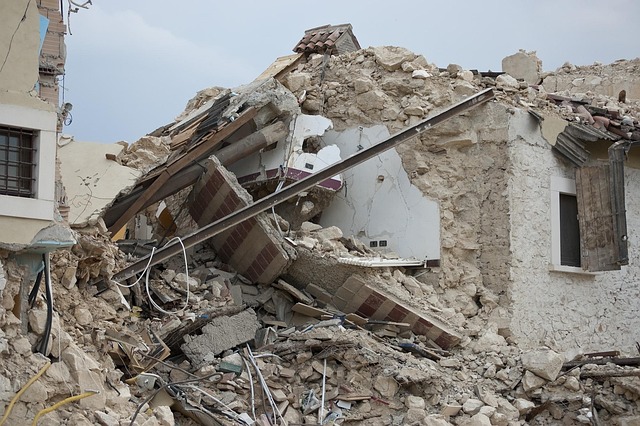
In the realm of real estate, securing adequate insurance coverage for damages is not merely an option but a strategic necessity. Every property, whether it’s a residential apartment building or a commercial office space, faces unique risks that can range from natural disasters to vandalism and legal liabilities. Understanding these risks and tailoring insurance policies accordingly is crucial for investors and property managers alike. A comprehensive analysis of insurance needs in real estate involves evaluating structural integrity, potential environmental hazards, liability exposures, and business continuity requirements.
For instance, a coastal property owner must consider the growing frequency and intensity of hurricanes and floods, which can lead to substantial property damage and disruption of tenant services. Similarly, urban properties may face higher risks from criminal activities or civil disturbances, necessitating liability coverage that shields against claims of personal injury or property damage. Moreover, as buildings age, assessments for potential structural issues, such as faulty plumbing or roofing, become paramount. According to a recent study by the National Association of Realtors, over 60% of U.S. homeowners reported at least one maintenance issue within their first year of ownership, underscoring the importance of proactive insurance planning.
Practical insights for navigating this landscape include reviewing policy limits and deductibles to ensure they align with potential losses, understanding coverage exclusions, and exploring endorsements or stand-alone policies for specialized risks. For commercial real estate, business interruption coverage is vital to mitigate the financial impact of unforeseen events, such as a fire or cyberattack, which can halt operations and revenue streams. In today’s digital era, where data breaches and ransomware attacks are on the rise, this type of coverage has become an indispensable component of risk management strategies. Ultimately, staying informed about evolving insurance options and regulatory changes is key to safeguarding investments in the dynamic real estate market.
Choosing the Right Coverage: A Comprehensive Guide

Choosing the right insurance coverage for real estate damages is a critical step in safeguarding your investment. It involves assessing potential risks specific to the property, such as natural disasters, vandalism, or structural failures. A comprehensive policy should align with these unique hazards and offer adequate protection. For instance, homeowners in regions prone to hurricanes should consider policies that specifically cover wind damage, while those in earthquake-prone areas may require seismic coverage. According to a recent study, proper insurance can significantly mitigate financial losses; data shows that 70% of property owners who had comprehensive coverage experienced quicker recovery times after natural disasters compared to those without.
An essential aspect is understanding different types of coverage: all-risk, named perils, and specific exclusions. All-risk policies offer broad protection, covering all damages except those explicitly excluded. Named perils, on the other hand, provide coverage for specified events like fire or theft but exclude others. Exclusions vary among providers, so thorough reading is crucial. For real estate investors, ensuring that rental properties are covered for loss of income during repairs is vital; this can protect against significant financial setbacks.
To choose wisely, compare quotes from multiple insurers, examining policy details and deductibles. Customization options should also be considered to meet unique needs. Regular reviews are recommended to ensure the policy still aligns with changing property values and risks over time. This proactive approach ensures that you’re adequately protected, offering peace of mind and financial security in the face of unforeseen events.
Protecting Your Investment: Damages and Beyond

In real estate, protecting your investment extends beyond securing a property; it encompasses safeguarding against potential damages that could significantly impact your financial well-being. Comprehensive insurance coverage plays a pivotal role in mitigating risks associated with property ownership. Damages, be they from natural disasters, accidental incidents, or wear and tear over time, can incur substantial costs, leaving uninsured owners burdened with unexpected expenses.
A robust insurance policy for damages not only compensates for the repair or replacement of physical structures but also offers protection against liability claims arising from accidents on the property. For instance, a slip-and-fall incident on your real estate could result in legal liabilities and medical costs. Adequate coverage can shield you from such financial risks, ensuring peace of mind. Furthermore, when natural disasters like floods or wildfires strike, having comprehensive insurance can mean the difference between fully recovering and facing substantial out-of-pocket expenses for repairs or even total loss.
Experts recommend that real estate investors thoroughly review their insurance policies to ensure they align with their specific needs. This involves understanding coverage limits, deductibles, and exclusions. For instance, a policy may cover structural damage from earthquakes but exclude flooding. Customizing your policy to address these specifics is essential. Regular reassessments are also crucial as circumstances change, new risks emerge, or the value of your property increases. By proactively managing your insurance, you safeguard not just your real estate investment but also your financial security and future prospects.