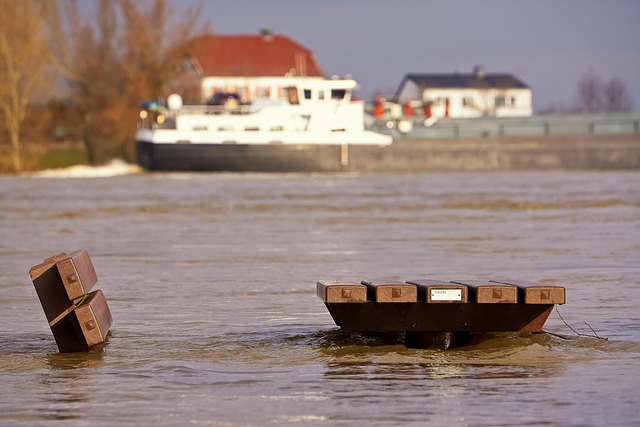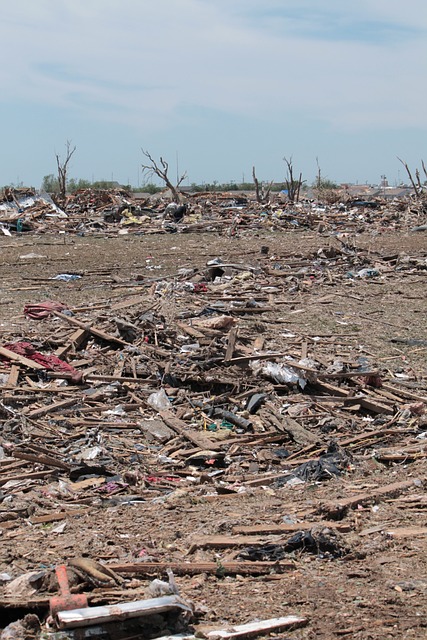
Assessing and mitigating flood risk is crucial for real estate investors and owners. Geographic analysis identifies vulnerable areas, with advanced tools recommending mitigation strategies like flood barriers and upgraded roofing. Proactive steps include obtaining detailed flood maps, addressing property age and condition, and regular maintenance. Robust roofing, like metal, and smart technologies enhance flood resilience, protecting investments and ensuring community resilience against escalating climate variability.
In the realm of Real Estate, safeguarding properties from natural disasters is paramount. Floods and severe weather events pose significant risks, necessitating proactive measures to protect investments. This article delves into two essential strategies: installing robust flood barriers and ensuring sturdy roofing. These measures not only mitigate damage but also enhance the resilience of structures, providing peace of mind to owners and investors alike. By implementing these solutions, we can navigate the challenges posed by an ever-changing climate, ensuring the longevity and value of our real estate assets.
Assess Flood Risk: Real Estate Essentials

Assessing flood risk is an essential step for any real estate investor or owner, as it directly impacts the value and safety of properties. In the face of increasing climate variability, understanding and mitigating flood risks have become paramount, especially in regions prone to seasonal flooding or situated along rivers and coastal areas. The real estate market naturally reflects these risks, with properties in low-risk zones often commanding higher prices. According to a study by the National Oceanic and Atmospheric Administration (NOAA), areas with historical flooding events have seen significant drops in property values, underscoring the financial implications of inadequate flood risk assessment.
A comprehensive risk assessment begins with geographic analysis. Properties located in low-lying areas, near water bodies, or in zones with historical flooding events are inherently more vulnerable. For instance, a study of major US cities revealed that over 14 million people live in areas at high or moderate risk of flooding, highlighting the widespread concern. Experts recommend utilizing advanced mapping tools and data-driven analytics to identify these areas precisely. Once identified, real estate professionals can advise buyers or investors on potential mitigation strategies, such as installing flood barriers or upgrading roofing to ensure sturdiness against rising waters.
Actionable steps include obtaining detailed flood maps and insurance assessments, which provide critical insights into the extent and likelihood of flooding. Property owners should also consider the age and condition of their homes, as older structures might require more substantial upgrades to meet modern flood safety standards. By proactively assessing and addressing flood risks, real estate stakeholders can protect investments, ensure safety, and contribute to resilient communities. This proactive approach aligns with the broader trend of climate-resilient urban planning, where buildings and infrastructure are designed to withstand and minimize the impact of extreme weather events.
Install Robust Barriers: Protecting Your Property

Protecting your real estate investment against the ravages of flooding is a crucial step in ensuring the longevity and value of your property. Installing robust flood barriers is a strategic move that acts as a critical line of defense, especially in low-lying areas or regions prone to sudden and severe flooding. These barriers, designed to be sturdy and impervious to water, play a pivotal role in safeguarding your home or business. When selecting flood barriers, prioritize products that meet industry standards for durability and performance, ensuring they can withstand the force of rushing water and protect against potential damage.
The process of installation should be handled by professionals who understand the unique challenges posed by different types of real estate. For instance, a barrier system designed for a single-story residential property will differ significantly from one tailored for a multi-story commercial building. Expert installers will consider factors like terrain, water flow patterns, and structural integrity to implement the most effective barrier solutions. By investing in high-quality flood barriers and professional installation, property owners can significantly mitigate risks associated with flooding, preserving their real estate assets and the investments made in them.
Regular maintenance is equally vital to ensure the continued effectiveness of these protective measures. Over time, flood barriers may face wear and tear, especially in areas with frequent flooding events. A well-maintained barrier system, including routine inspections and necessary repairs, will provide optimal protection. Data from recent studies indicates that properly maintained barriers can reduce the risk of property damage during floods by up to 90%. This underlines the importance of proactive maintenance as a key component of flood protection strategies for real estate.
Ensure Sturdy Roofing: A Key Defense Against Floods

In the face of escalating climate variability, preparing real estate for extreme weather events is paramount. Among the crucial defenses against floods, sturdy roofing stands out as a critical line of protection. A robust roof not only safeguards the interior of a property from water intrusion but also prevents structural damage caused by debris carried by floodwaters. According to the National Oceanic and Atmospheric Administration (NOAA), severe storms and flooding events have increased in frequency and intensity globally, underscoring the urgent need for resilient infrastructure.
When considering roofing options, homeowners and real estate investors should opt for materials that offer superior strength and water resistance. Metal roofing, for instance, has gained popularity due to its longevity and ability to withstand heavy rainfall and strong winds. Unlike traditional shingles, metal panels are less prone to damage from debris and can provide decades of service with proper maintenance. In areas frequently beset by floods, installing metal or concrete tiles can significantly reduce the risk of roof failure during severe weather events. A study conducted by the Insurance Institute for Business & Home Safety (IBHS) found that metal roofs outperformed asphalt shingles in resistance to high-speed winds and heavy rain, offering a superior defense against flooding-related damage.
Additionally, integrating smart technologies into roofing systems can further enhance flood resilience. Sensors and automated activation mechanisms can help close off or divert water away from the roof and building structure, minimizing potential harm. As real estate developers and homeowners look to future-proof their properties, investing in sturdy roofing and intelligent solutions becomes not just a practical decision but a strategic one. By prioritizing these measures, communities can better protect against the growing threats posed by climate change, ensuring safer and more sustainable living environments for generations to come.