
Real estate assessments must integrate environmental considerations to address historical oversights and align with sustainability goals. Early site analyses, data reviews, and specialized consultations identify and mitigate ecological risks. Natural solutions, like urban forests and bioswales, offer environmental benefits, including biodiversity enhancement and climate change mitigation. Adaptive management strategies and data-driven approaches, such as IoT-enabled smart buildings and urban planning, reinforce structures against climate change. Collaboration, modular design, and nature-based solutions like green roofs ensure long-term viability and economic advantages in real estate.
In an era defined by escalating environmental challenges, the resilience of our built environments is more crucial than ever. As climate change intensifies and natural disasters become more frequent, reinforcing structures in real estate becomes a critical pillar for safeguarding communities and assets. This article delves into the intricate web of environmental threats—from extreme weather events to seismic activity—and explores innovative strategies for bolstering the durability and adaptability of our physical infrastructure. We present a comprehensive framework that combines cutting-edge materials, thoughtful design, and robust construction techniques to build a more sustainable future, ensuring that our real estate assets withstand the trials of an ever-changing environment.
Assess Environmental Risks in Real Estate

Assessing environmental risks is a critical aspect of real estate investments, offering insights into potential challenges and opportunities. This process involves a thorough examination of various factors, from geological hazards to pollution levels, that can impact the value and sustainability of properties. Real estate naturally occupies a unique position, as it is both a tangible asset and a reflection of the surrounding environment.
Experts emphasize the growing importance of integrating environmental considerations into real estate practices. Historically, traditional real estate evaluations have not always accounted for ecological risks, leading to unforeseen issues. For instance, construction projects in ecologically sensitive areas may face delays or increased costs due to regulatory measures aimed at preserving biodiversity. By proactively assessing these risks, developers and investors can make informed decisions, ensuring projects align with environmental sustainability goals. Data from leading real estate firms indicates that properties in areas with robust environmental management strategies often command premium prices, highlighting the market advantage of sustainable practices.
Practical steps for assessing environmental risks in real estate include conducting comprehensive site analyses, reviewing historical data on natural disasters and pollution incidents, and engaging specialized consultants. These experts can identify potential threats, such as soil contamination or flood-prone locations, and provide recommendations for mitigation. For example, a property near an industrial zone might require extensive testing for hazardous substances, while coastal developments should consider the impacts of sea-level rise. Implementing these assessments early in the project lifecycle allows for strategic adjustments, ensuring the long-term viability and resilience of real estate investments.
Implement Natural Solutions for Mitigation

The implementation of natural solutions for environmental threats in real estate naturally positions itself as a powerful strategy for mitigation. This approach leverages the inherent resilience and benefits of natural ecosystems to counteract the impacts of climate change, pollution, and habitat loss. For instance, incorporating green infrastructure like urban forests and bioswales not only enhances biodiversity but also mitigates heat islands, improves air quality, and reduces stormwater runoff. A study by the U.S. Environmental Protection Agency (EPA) found that strategic placement of green spaces in urban areas can lower temperatures by up to 9 degrees Fahrenheit, significantly mitigating the urban heat island effect.
One practical insight lies in the potential of natural solutions to provide multiple environmental and economic benefits simultaneously. For example, wetlands restoration not only improves water quality by filtering pollutants but also acts as a natural flood control mechanism, reducing the need for costly engineered solutions. In coastal areas, mangrove restoration serves as a natural buffer against storm surges, protecting vulnerable communities and infrastructure. Moreover, these natural structures can foster tourism and recreational opportunities, enhancing local economies.
Experts emphasize the importance of integrating natural solutions into real estate development from the outset. Early involvement of ecologists and planners ensures that designs maximize environmental benefits. Adaptive management strategies, which involve continuous monitoring and adjustment, are crucial for optimizing the performance of natural infrastructure. By embracing these practices, the real estate industry can play a pivotal role in fostering a more sustainable and resilient future, both for the environment and for communities worldwide.
Monitor and Adapt for Long-Term Sustainability
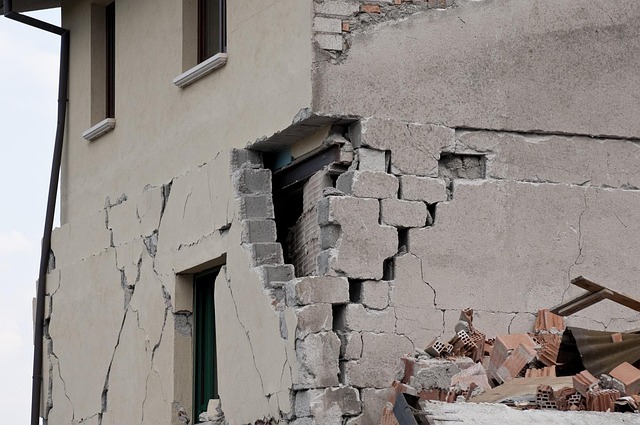
In the face of escalating environmental threats, reinforcing structures for long-term sustainability in real estate naturally stands as a cornerstone of proactive adaptation. Monitoring and adapting to evolving ecological conditions are not mere options but imperative strategies for the resilience and longevity of built environments. The global real estate sector, recognizing its significant environmental footprint, is increasingly adopting data-driven approaches to assess and mitigate risks associated with climate change. This shift underscores the critical need for continuous observation and flexibility in design and construction practices.
One of the primary avenues for achieving this is through sophisticated environmental monitoring systems. Advanced sensors and data analytics now enable real-time tracking of various parameters, from air quality to soil stability. For instance, smart buildings equipped with IoT (Internet of Things) devices can anticipate and respond to changing weather patterns, optimizing energy usage and reducing carbon emissions. Similarly, urban planning can benefit from data-informed decisions, ensuring that development aligns with local microclimates and ecological preservation. As cities grow, integrating green spaces and sustainable infrastructure becomes vital, offering both aesthetic and functional benefits.
Practical implementation necessitates collaboration between stakeholders, including developers, architects, policymakers, and environmental scientists. Adaptive design principles, such as modular construction and flexible layouts, empower structures to evolve over time, accommodating unexpected environmental shifts. For example, designing for future sea-level rise in coastal areas or implementing adaptive strategies for extreme weather events can significantly enhance the resilience of real estate assets. Furthermore, leveraging nature-based solutions, such as green roofs and sustainable drainage systems, not only mitigates environmental impacts but also offers aesthetic and economic advantages.